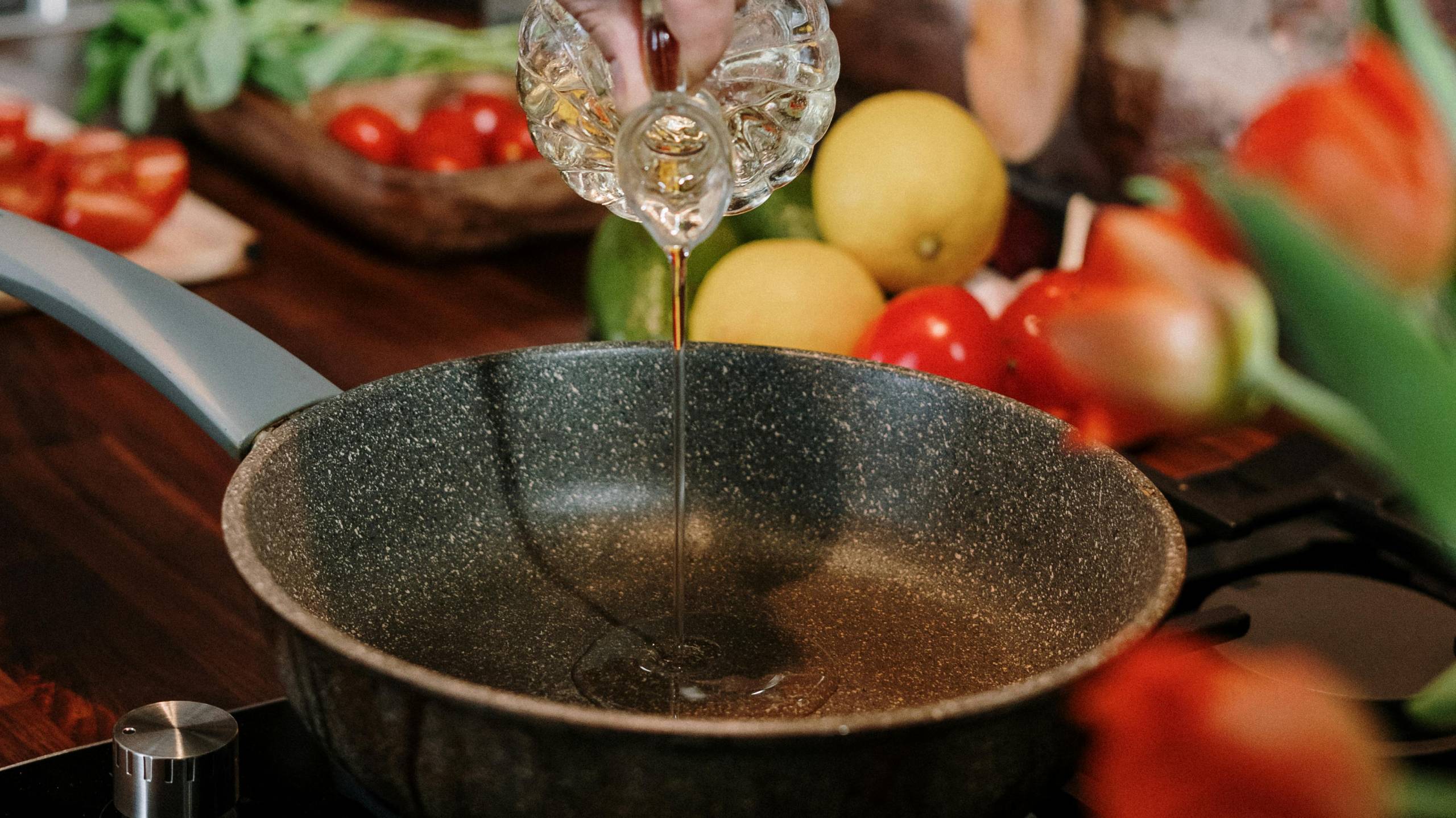
The first time I watched my Greek mother-in-law cook, I nearly had a heart attack. She was frying potatoes — deep frying them — in a pot of extra virgin olive oil. The beautiful, expensive, bright green oil I’d been taught to save for salad dressings. The oil that came from her family’s own olive trees.
“But… but the smoke point!” I stammered. “Isn’t that too hot for olive oil?”
She looked at me with the patient smile reserved for well-meaning foreigners and said something that changed everything I thought I knew about cooking: “We have been frying in olive oil for thousands of years. You think we would do this if it was bad?”
Now, years later, married into this Greek family and living in Crete, I cook everything — and I mean everything — in olive oil. Pancakes. Cookies. Cakes. Roasted vegetables. Fried fish. We don’t even have another type of oil in our household. When I tell this to guests at my olive oil tastings, their reactions are always the same: shock, followed by “But I thought you couldn’t cook with olive oil!”
So let me share what my mother-in-law knew intuitively, what Cretan families have practiced for millennia, and what modern science is finally proving: cooking with olive oil — especially extra virgin olive oil — is not only safe, it’s one of the healthiest choices you can make.
The Smoke Point Myth That Won't Die
If you’ve ever googled “cooking with olive oil,” you’ve probably been told that olive oil has a low smoke point and therefore shouldn’t be used for high-heat cooking. This myth is so widespread that even people who love olive oil hesitate to use it for anything beyond drizzling.
Here’s the truth: extra virgin olive oil has a smoke point between 175°C and 210°C (350°F to 410°F). Most home cooking — sautéing, roasting, even baking — happens well below this temperature. When you’re cooking vegetables or making pancakes, the food rarely exceeds 160°C because of its water content.
My mother-in-law was right. For thousands of years, Mediterranean cooks have been using olive oil for everything, and they weren’t harming their health — they were protecting it.
What Science Really Says: Stability Matters More Than Smoke Point
Recent studies have turned the conventional wisdom about cooking oils completely upside down. It turns out that smoke point is actually a poor predictor of how safe and healthy an oil is when heated.
What matters is oxidative stability — how well an oil resists breaking down and forming harmful compounds when exposed to heat and oxygen. And in study after study, extra virgin olive oil comes out on top.
A comprehensive 2018 study by Australian researchers (De Alzaa, Guillaume, and Ravetti, published in Acta Scientific Nutritional Health) heated extra virgin olive oil and other common cooking oils to extremely high temperatures — up to 240°C (464°F) — and also tested them at deep-frying temperature (180°C, 356°F) for six hours. The results were remarkable. Extra virgin olive oil produced the lowest levels of harmful polar compounds, while canola oil produced more than 2.5 times the polar compounds of EVOO, even though canola has a higher smoke point.
Why? Because of those natural antioxidants — polyphenols that actively fight oxidation even as the oil heats. Think of it this way: those same compounds that make fresh olive oil taste peppery and burn your throat slightly? They’re not just flavor — they’re protection. They’re little soldiers fighting off oxidation and keeping the oil stable under heat.
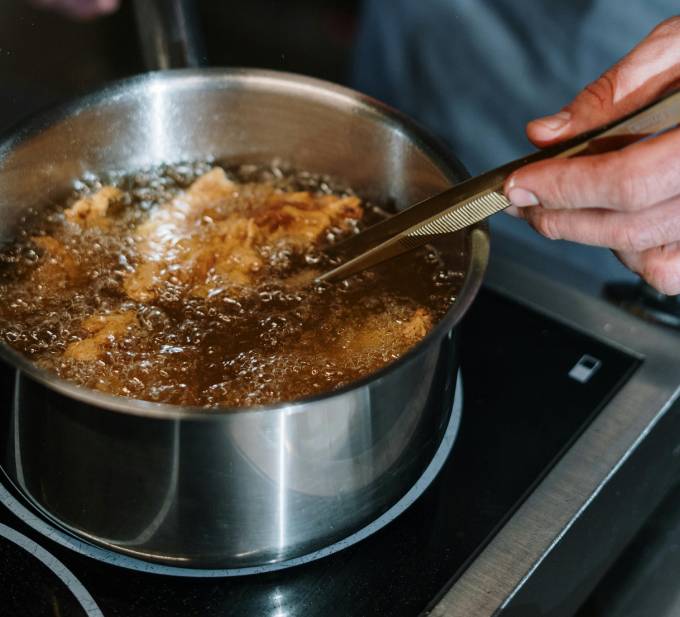
What Happens to Olive Oil When Heated?
“If I cook with extra virgin olive oil, am I destroying all the healthy polyphenols?” This is what people ask me most often.
Short answer: Some degradation happens, but the oil remains remarkably healthy. Studies show that even when heated to very high temperatures for extended periods, extra virgin olive oil retains significant amounts of its beneficial compounds. When you use normal cooking temperatures for normal times — the way we actually cook at home — the results are even better.
And here’s the beautiful part: when you cook vegetables in extra virgin olive oil, the antioxidants from the oil transfer to the vegetables, creating what researchers call “an antioxidant mixture” that actually increases the food’s nutritional value. The vegetables protect the oil, and the oil enriches the vegetables.
My mother-in-law never knew the science, but she knew from experience: food cooked in good olive oil tastes better and makes you feel better.
How We Actually Cook in Crete
In our household — like in most traditional Cretan homes — olive oil is the only cooking fat. But there’s a pattern to how we use it, a wisdom that’s been passed down through generations.
Yes, we cook with it. We sauté, we roast, we even fry. But we’re mindful. We use medium heat more often than high heat. And here’s something important I teach at my tastings: warm your olive oil gently in the pan — don’t throw it onto an already screaming-hot surface. Add the oil to a cool or warm pan, let it heat gradually with the pan, then add your food. This prevents thermal shock and keeps the oil stable.
And here’s the key: we use much more olive oil raw or added at the end of cooking than we do for the cooking itself. That drizzle of fresh oil over roasted vegetables just before serving. The generous pour over a bean soup when it comes off the heat. For cakes and cookies, olive oil replaces butter beautifully, adding moisture and a subtle fruity note.
This isn’t being wasteful. This is how you honor good oil — by using it, generously and confidently, in all its forms.
The Real Rules for Cooking with Olive Oil
Use quality oil. The studies showing olive oil’s superior heat stability used real extra virgin olive oil with high polyphenol content. Poor quality oil won’t perform the same way. The antioxidants that make EVOO stable under heat are the same ones that make it taste peppery and fresh.
Warm it gently. Add oil to a cool or warm pan and heat them together. Don’t throw cold oil onto a screaming-hot pan. This gentle warming keeps the oil stable and prevents breakdown.
Medium heat is your friend. Most home cooking doesn’t require screaming-hot pans. Medium to medium-high heat works beautifully for almost everything. Vegetables caramelize. Fish gets crispy. Meat browns properly. You just need a little patience.
Finish with fresh oil. This is the Cretan secret. Cook with olive oil, yes, but also drizzle fresh, raw oil over the finished dish. You get the stability and flavor of cooked oil plus all the vibrant, unheated antioxidants from the raw oil. Best of both worlds.
Trust your senses. If the oil is smoking heavily, it’s too hot. Turn down the heat. But light shimmering? That’s normal and fine.
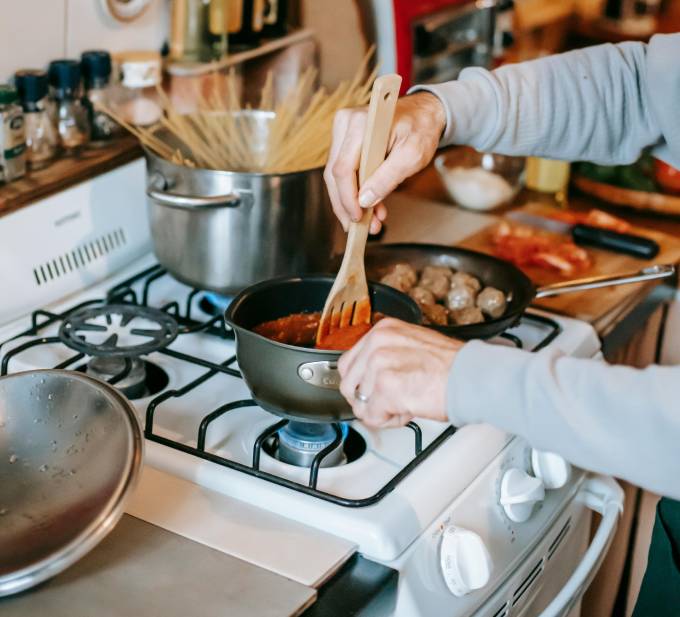
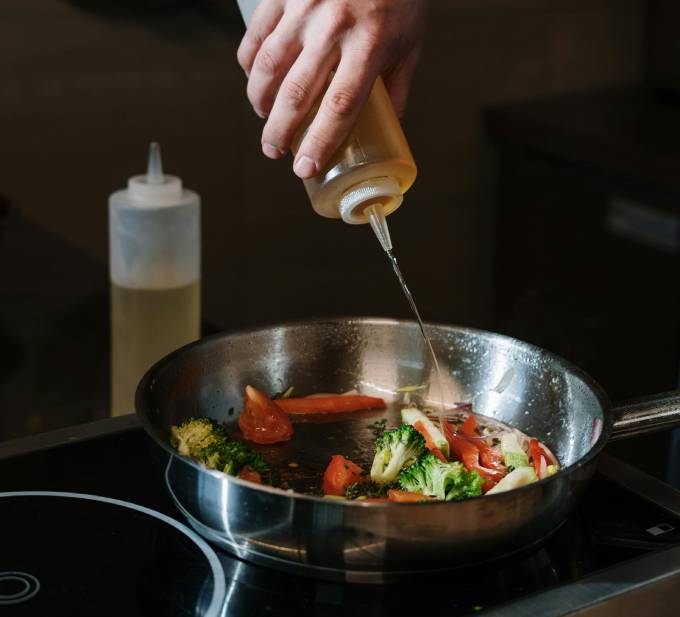
What If You Don't Have Extra Virgin?
Here’s something important: if you have virgin olive oil or even regular “pure” olive oil at home, please use it for cooking! It’s still better than many other oils.
At my tastings, I still meet customers who have cheaper olive oil at home, and I always tell them the same thing: use what you have. Virgin olive oil (which has slightly higher acidity than extra virgin but is still unrefined) works beautifully for cooking. Even regular olive oil — which is refined and blended — is still olive oil with monounsaturated fats that are healthier than many seed oils.
The most important thing is to cook with olive oil rather than not cooking with it at all because you think you need the most expensive bottle. Save your best extra virgin for drizzling and finishing, and use your everyday olive oil for cooking. This is practical, economical, and still healthy.
What Changed for Me
When I first moved to Crete, I brought my Croatian habits with me. Even though Croatia has olive oil production along the coast, I’m from the northwestern part of the country where my family didn’t use olive oil in our daily cooking. So when I arrived in Crete, I needed time to get in touch with this way of life. I had separate oils: “good” olive oil for finishing, cheaper oil for cooking. I was careful and conservative, treating the good stuff like it was too precious to use freely.
Watching my mother-in-law cook changed all that. The generosity with which she uses olive oil. The confidence. The total absence of anxiety about “wasting” it.
Now I cook like a Cretan. I pour olive oil freely. I use it for everything. And you know what? My cooking tastes better. My food is more satisfying. I feel better physically. And I’ve stopped worrying about charts and smoke points and whether I’m “doing it wrong.”
Because the science backs up what generations of Mediterranean cooks knew instinctively: extra virgin olive oil is not just safe for cooking — it’s ideal for it.
«Πράσινο ρευστό χρυσάφι, της Κρήτης ευλογία, στα φαγητά δίνεις νοστιμιά κι απλόχερη υγεία.» "Green liquid gold, Crete's blessing divine, To food you give flavor and health without measure."
Traditional Cretan mantinada